Swelling is common in pregnancy, many pregnant women complain about swollen ankles. Find out how to reduce swelling during pregnancy effective.
On this page.
I Wish Someone Had Told Me How To Reduce Swelling During Pregnancy
When I was pregnant with my first baby my ankles swelled terribly. Apart from keeping my feet up I didn’t know what else to do to reduce the swelling.
If I’m honest I didn’t get as much rest as I should have. I would sit with my legs elevated for 20 minutes and then get bored and go do something. I never thought about what I was eating or what else I could do to help the swelling and discomfort. All the while moaning about my cankles!
Fast forward quite a few years to my second pregnancy and I was determined to find out how to reduce swelling during pregnancy. I was older, grumpier, and much more tired. I needed all the help I could get.
What Causes The Swelling During Pregnancy?
Swelling in the feet and ankles is extremely common in pregnant women. It happens because the body retains more body fluids to meet the needs of your baby.
The extra fluids in your body will help it to expand as the baby grows and will help to prepare the joints in your pelvis for childbirth.
Adding to the problem is the pressure put on the veins in your groin and legs by your growing baby. This prevents the blood returning from your legs effectively.
This swelling tends to start about halfway through your second trimester and will gradually get worse as you enter the third trimester and head towards your due date.

What Can Make Swelling Worse In Pregnant Women?
A certain amount of swelling during pregnancy is inevitable but there are some things that can make it worse.
- Lots of activity in a day with little rest
- Standing for a long period of time
- Hot weather
- High sodium intake
- Low potassium intake
- Too much caffeine
Swelling will also be worse at the end of the day and usually gets worse towards the end of your pregnancy.
This post may contain affiliate links. If you click on a link and make a purchase I may receive a small commission at no extra cost to you.

How To Reduce Swelling During Pregnancy
Wear Support Stockings – Wearing maternity support stockings will help prevent your legs and feet from swelling. Put them on as soon as you get up in the morning and always make sure you take them off at bedtime.
Soak Your Feet – Soaking your feet in water is great for reducing swollen ankles. Soak them in a foot bath, go swimming, or soaking in the tub for at least 20 minutes will all help. Any water immersions will help to reduce the swelling.
Complimentary Therapies
There are a few complimentary therapies you can try that may be of help to reduce the swelling and ease aching feet and legs.
Aromatherapy Massage – Ask your partner or a friend or family member to massage your legs and feet with essential oils. Get them to massage upwards working from your feet up to your knees.
Cypress oil can be good to help circulation. Mix a few drops into a base like grapeseed oil. Always check with your healthcare provider before using essential oils during your pregnancy.
Herbal Tea -Dandelion tea is said to be helpful in reducing water retention. Always drink herbal teas in moderation when you are pregnant and check with your healthcare provider.
Reflexology – The principle of reflexology is that each part of your foot corresponds to a part of the body and having pressure placed on areas of the foot will help certain ailments.
The research on reflexology is limited in relation to swelling but you may find it relaxing and that it helps with the ache.
Always go to a licensed reflexologist who has experience with treating clients during pregnancy.
Eat The Right Foods – Certain foods will help to reduce swelling during pregnancy. Eat foods that are high in potassium like bananas and pretty much anything that is high in protein.
There are also foods that are natural diuretics which means that they will help your body to lose water.
- Watermelon
- Ginger
- Cucumber
- Cranberry juice
- Asparagus
- Brussel sprouts
- Artichokes
- Carrots
- Lemon
Foods that have a high salt content should be avoided and try not to add any extra salt to your food. It’s also a good idea to reduce your sugar intake.
Related Posts
Try To Rest – Although it is important to keep moving you need to make sure you have periods of rest during the day. Being active all day with no rest will make your swelling much worse.
Try to just be active for a couple of hours at a time then stop for a rest. Try to avoid standing for long periods. Take a nap or sit and read a book.

Avoid The Heat – Hot weather is always going to make swelling worse. Try not to spend too much time outdoors on hot days and keep your home as cool as possible.
Drink Plenty Of Water – This May sound counterproductive but drinking lots of water actually helps to reduce your swelling. Drinking at least 8 glasses of water a day will help to flush your body of waste products like excess sodium which reduces swelling.
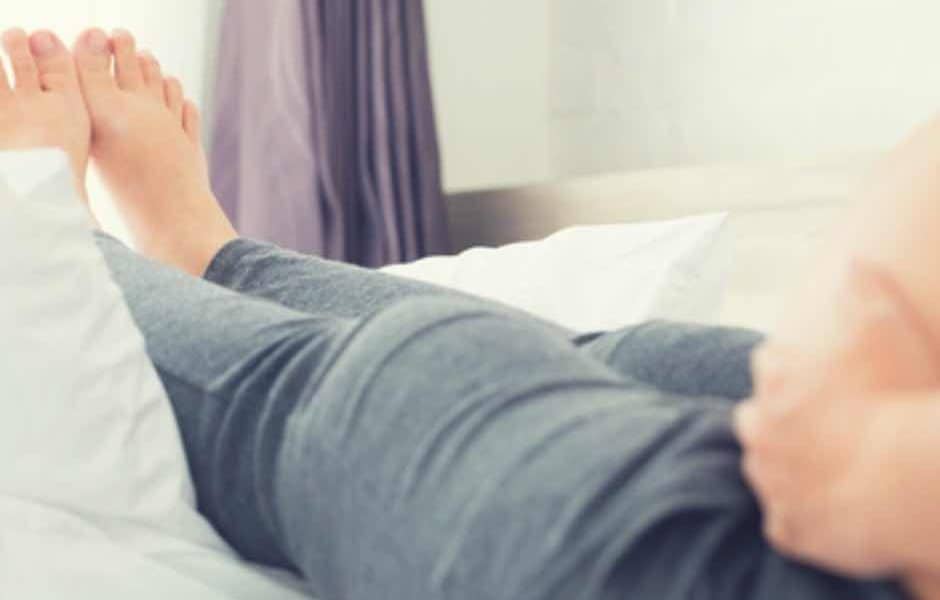
Elevate Your Legs – Whenever you are sitting try to keep your legs elevated as much as possible. Not only do you get to relax with your feet up but it’s pretty effective at reducing swelling. If you are out somewhere and unable to elevate your legs then try to stretch them out and keep them moving and avoid sitting with your legs crossed.
Give Up The Heels – Heels are never a good idea with a baby bump! Swap them for a pair of flat, comfortable shoes. As well as helping to reduce swelling they will also help with leg and back pain as flat shoes will improve your posture.
Get Some Exercise – Try to get at least 30 minutes of exercise every day. Walking, swimming, low impact aerobics, and yoga are all safe during pregnancy. Daily exercise will help you to avoid your legs and feet swelling.
When To Call Your Doctor
Although some swelling is normal during pregnancy there are some things to watch out for.
- Swelling in the hands or face
- More swelling in one leg than the other
- Swelling along with shortness of breath, coughing, or chest pains
- Severe swelling at the start of the day
If you notice any of these symptoms call your healthcare provider immediately.
But try to remember that swollen legs and feet are common in pregnant women and try not to worry.