A comprehensive guide to the aches and pains you may experience after giving birth. Postpartum body aches are common. Here’s what to expect and how to cope.
What Postpartum Pain Should You Expect?
Childbirth can be an ordeal. You body goes through a lot so aches and pains are to be expected.
A lot of the pain experienced by new moms is perfectly normal, although inconvenient when you have a new baby to care for. However, it is important to know the signs of something more serious.
Here are various postpartum body aches and pains you can expect after giving birth as well as tips and tricks for managing them.
This post may contain affiliate links. If you click on a link and make a purchase I may receive a small commission at no extra cost to you.
Postpartum Body Aches And What You Can Do About Them
Contractions After Birth
Painful Breasts
Around 3 days after giving birth you will find that your breasts will become swollen and painful. This is called engorgement and occurs when excess milk is stored in your breasts.
Engorgement can usually be relieved by breastfeeding your baby often, try not to have long gaps in between feeds. If this does not fully clear the excess milk then using a breast pump should help.
If you are not breastfeeding your baby then taking ibuprofen, and applying cold packs will help with the pain and to reduce engorgement.
All Over Postpartum Body Aches And Pains
It is perfectly normal to ache all over after giving birth. Childbirth is a physical experience like no other, it puts the , body under a lot of strain, can be gruelling and lasts for many hours. Its no surprise that a huge amount of women suffer postpartum aches and pains in their backs, hips, tummy muscles, legs, and even their arms.
This is usually not serious and can be treated with rest and over the counter pain relief medication. If symptoms persist after the 6th week postpartum then you should see your doctor for advice.
Postpartum Leg Pain
Tired, achy legs can be normal after giving birth but leg pain in the first few weeks postpartum is something that you need to keep a close eye on. What seems to be normal postpartum body aches could be a sign of something much more serious.
If you have moderate to severe pain that may feel like a pulled muscle in one leg that does not ease with rest then you must seek advice from your doctor.
This could be a sign of a deep vein thrombosis which is a blood clot in a deep vein. Other signs to look out for include, swelling in the leg especially the calf, heat coming from the area, and redness.
If a deep vein thrombosis is not treated the blood clot could break off and travel to the lungs. this is potentially life threatening.
Perineal Pain
With a vaginal birth, perineal pain is unavoidable. It is common to tear during delivery or to need an episiotomy and those stitches will be extremely uncomfortable for a while. Even if you don’t have stitches you have just pushed a baby out of your vagina, things are going to be a bit tender down there. Luckily there are lots of things available to help you relieve the pain.
After my baby was born I swore by witch hazel pads. Witch hazel contains natural anti inflammatory properties. These pads will help to reduce any swelling down below and to take the sting away.
Postpartum Headaches And Migraines
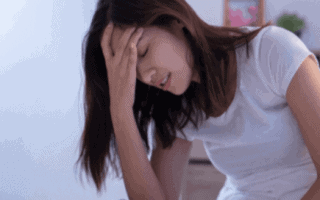
Having headaches and migraines after birth is fairly common, with the majority of sufferers experiencing a headache within the first week.
As someone who gets occasional migraines I was warned by my midwife that this could happen. Although I had suffered with bad headaches during my pregnancy I wasn’t prepared for the sheer intensity the frequency of the migraines I suffered after I had given birth.
There are various causes and types of postpartum headache and several treatment options depending on the type and severity of your headache.
Tension Headaches can cause mild to moderate pain and are the most common type of headache. They tend to feel tight, almost like your head is being squeezed. They usually affect your neck and then move on through your head.
Migraine headaches will cause a much more severe pain. They tend to affect one side of your head. The pain from a migraine can be so intense that it can cause nausea and vomiting. Your eyes may also be affected, as migraines can cause blurred vision and flashing lights.
Over-the-counter medication can be effective in treating your headache. If you are breastfeeding your baby it is advised not to take aspirin but Tylenol and ibuprofen are safe for you to take. If you are unsure of any pain medication always check with your doctor before taking it.
If you have a tension headache then 30 minutes of mild to moderate exercise may just be enough to chase away the pain. Of course this may not be possible if you have a migraine.
Taking yourself off to a dark, quiet room and having a lie down with no interruptions can help stop your headache in its tracks. This is especially effective when you have a migraine as light sensitivity and eye pain are common symptoms. The calm, peace, and quiet will also help you to relax.
If you feel a headache coming on a couple of glasses of water might just do the trick. As dehydration is a common cause of headaches rehydrating yourself maybe enough to fight off the pain.
A severe headache may be a sign of Pre-Eclampsia and must be investigaged by your doctor. Check out the other signs and symptoms of Pre-Eclampsia here.
Itchy C Section Scar
As your C section scar begins to heal it will probably begin to itch. This is perfectly normal and nothing to worry about. The trick is not to scratch it as this could make the pain worse and cause an infection.
The best way to relieve the itching is to use an ice pack. If you notice signs of an infection such as redness, pain, and pus weeping from the wound then contact your doctor immediately.
Constipation
Postpartum constipation could be caused by a number of things. If you are breastfeeding you will probably still be taking your prenatal vitamins which can cause you to be constipated or you may be taking pain medication that could be having the same effect.
One of the most common causes of not being able to go to the toilet after giving birth is just plain fear. Everything just feels so weird down there, your perineum will probably hurt and the first bowel movement is not an experience i wish to go through again. It’s no wonder a lot of women are reluctant. Unfortunately, this hesitancy will eventually cause constipation, but there are a few things you can do to help.
Taking stool softeners will make it a bit easier to pass and should help get things going. If you don’t want to take medication then making a few changes to your diet should do the trick. Eat plenty of high fibre foods as well as fresh fruit and vegetables. Adding oil to salads and fish will also help.
Lastly, just do your best to relax when trying to have a bowel movement. It’s not pleasant, but relaxing the muscles will help and you need to remember that you aren’t going to tear any stitches by having a bowel movement.
These postpartum body aches and pains may seem scary but with a bit of attention and self care you should get through the postpartum phase easily.
Related Postpartum Posts
Postpartum Checklist For New Moms
Postpartum Fatigue How You Can Beat It
Everything You Need To Know About Your Postpartum Body